Price smarter. Grow faster.
Frameworks and playbooks for ecommerce teams building real pricing systems.
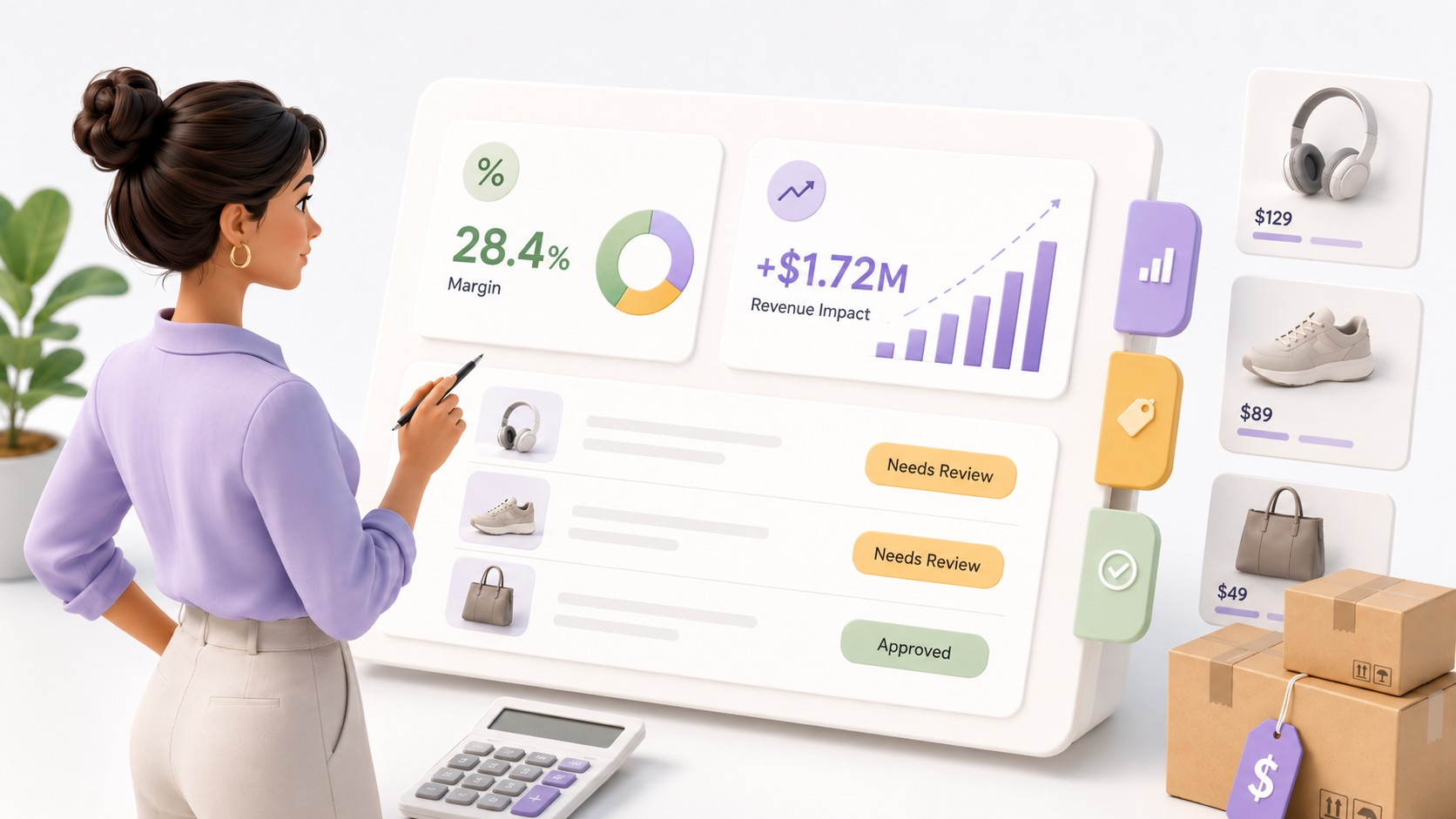
Pricing Reports for Ecommerce: What Finance Actually Needs
Finance does not need another competitor-price export. It needs a traceable view of margin exposure, pricing decisions, controls, and financial outcomes.
Read article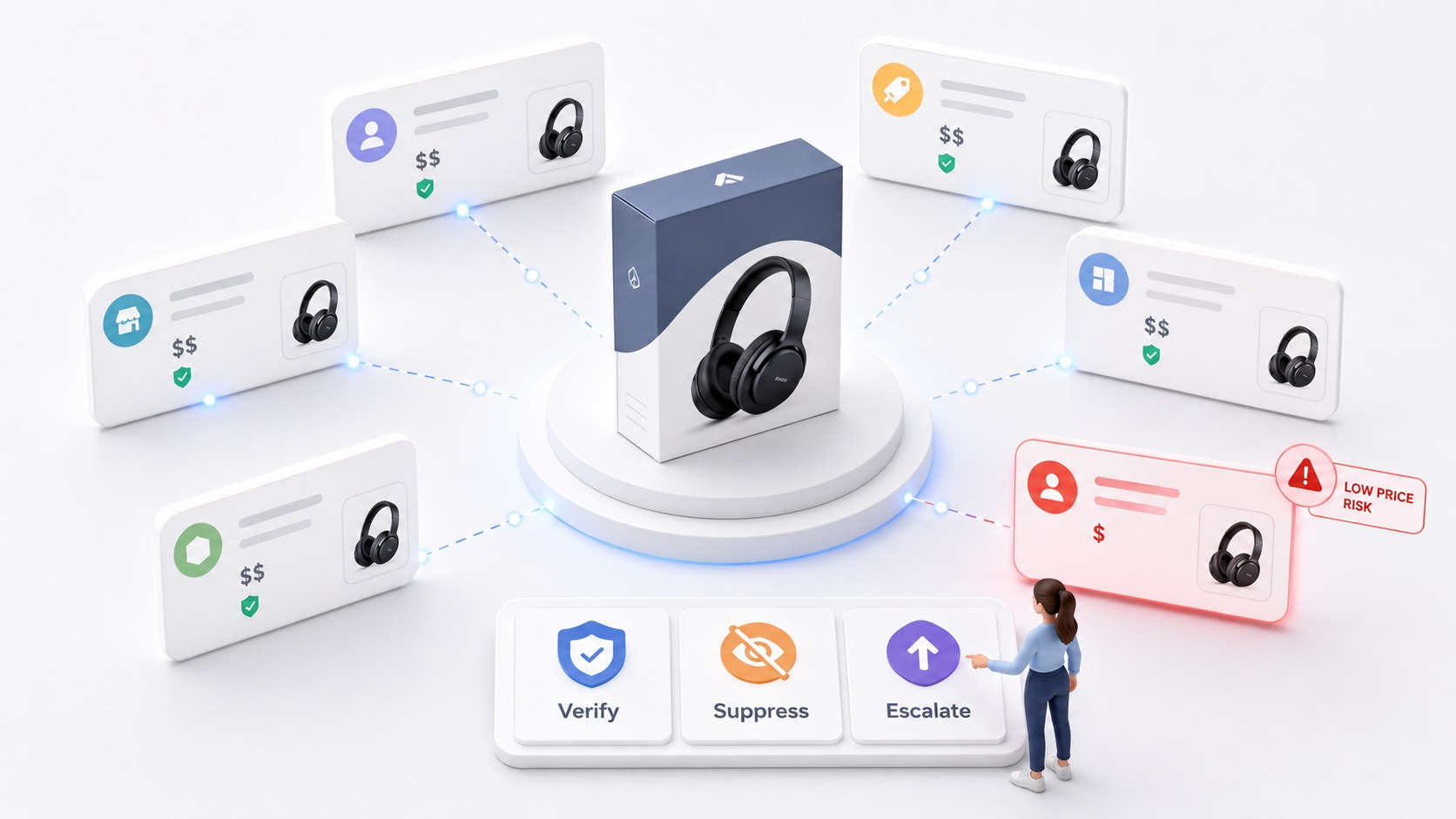
How to Detect Unauthorized Sellers Before They Damage Margin
Unknown marketplace sellers should not automatically influence your pricing. Learn how to discover, verify, prioritize, and route suspicious seller signals before they create channel conflict or unnecessary margin loss.
Read article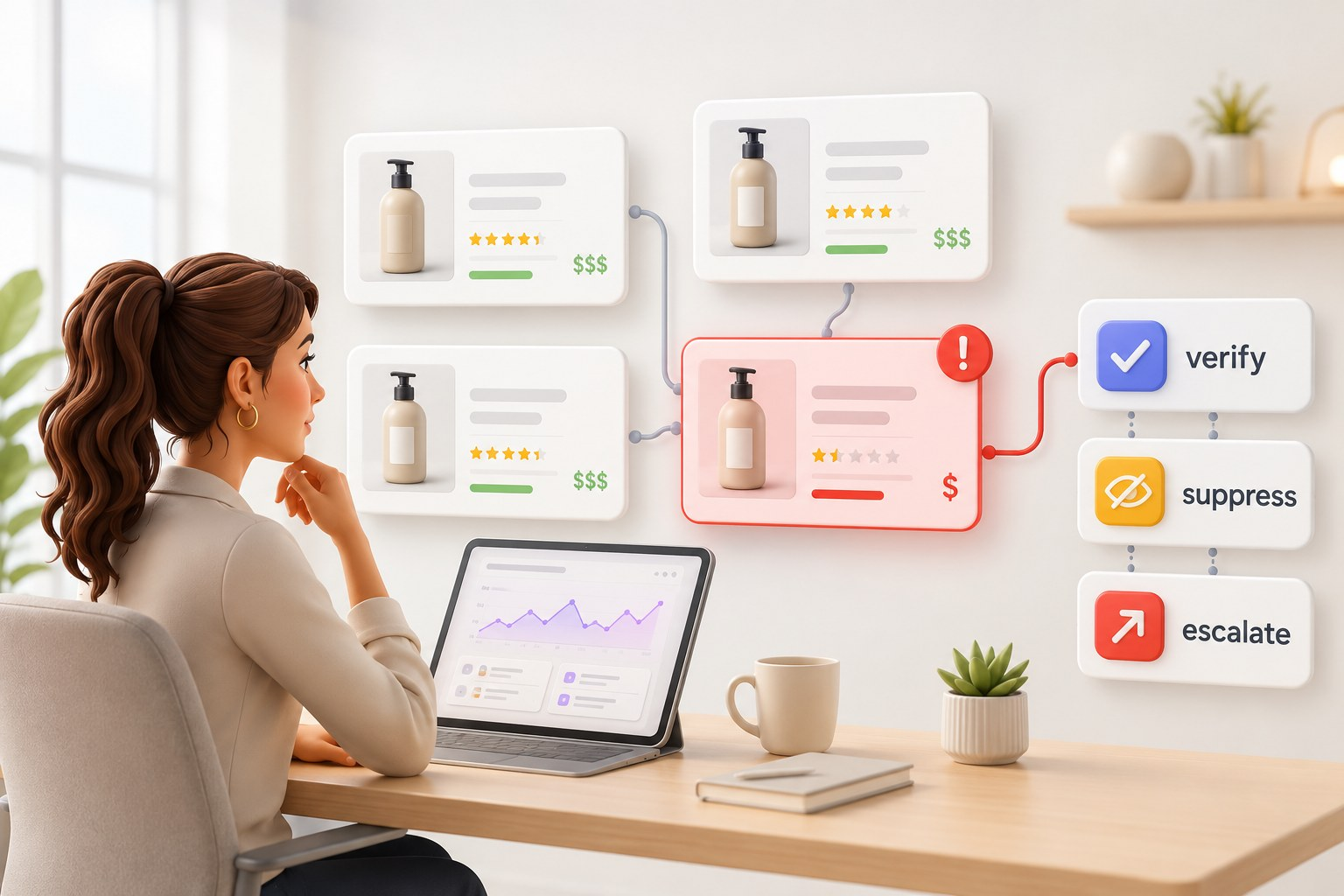
MAP Monitoring for Ecommerce Brands: How to Detect and Act on Violations
MAP monitoring should do more than flag prices below a threshold. Learn how to validate listings, identify sellers, document evidence, prioritize cases, and route suspected violations without turning every price alert into an enforcement action.
Read article
Marketplace Price Monitoring: Amazon, Google Shopping, and Beyond
Marketplace prices are not automatically comparable. Learn how to validate sellers, shipping, stock, variants, promotions, and margin before acting on Amazon, Google Shopping, and other marketplace signals.
Read article
Electronics Pricing Strategy: How to Compete Without Killing Margin
Electronics prices are unusually easy to compare—and unusually easy to compare incorrectly. Learn how to protect margin through exact product matching, lifecycle-aware decisions, and guardrails that go beyond match-or-lose.
Read article
How Fashion Ecommerce Teams Should Handle Competitor Pricing
The cheapest competitor price in fashion is often the least useful price in the market. Learn how to validate variant, seller, and promotion signals, then combine them with lifecycle, inventory, and margin rules before deciding whether to match, hold, markdown, or escalate.
Read article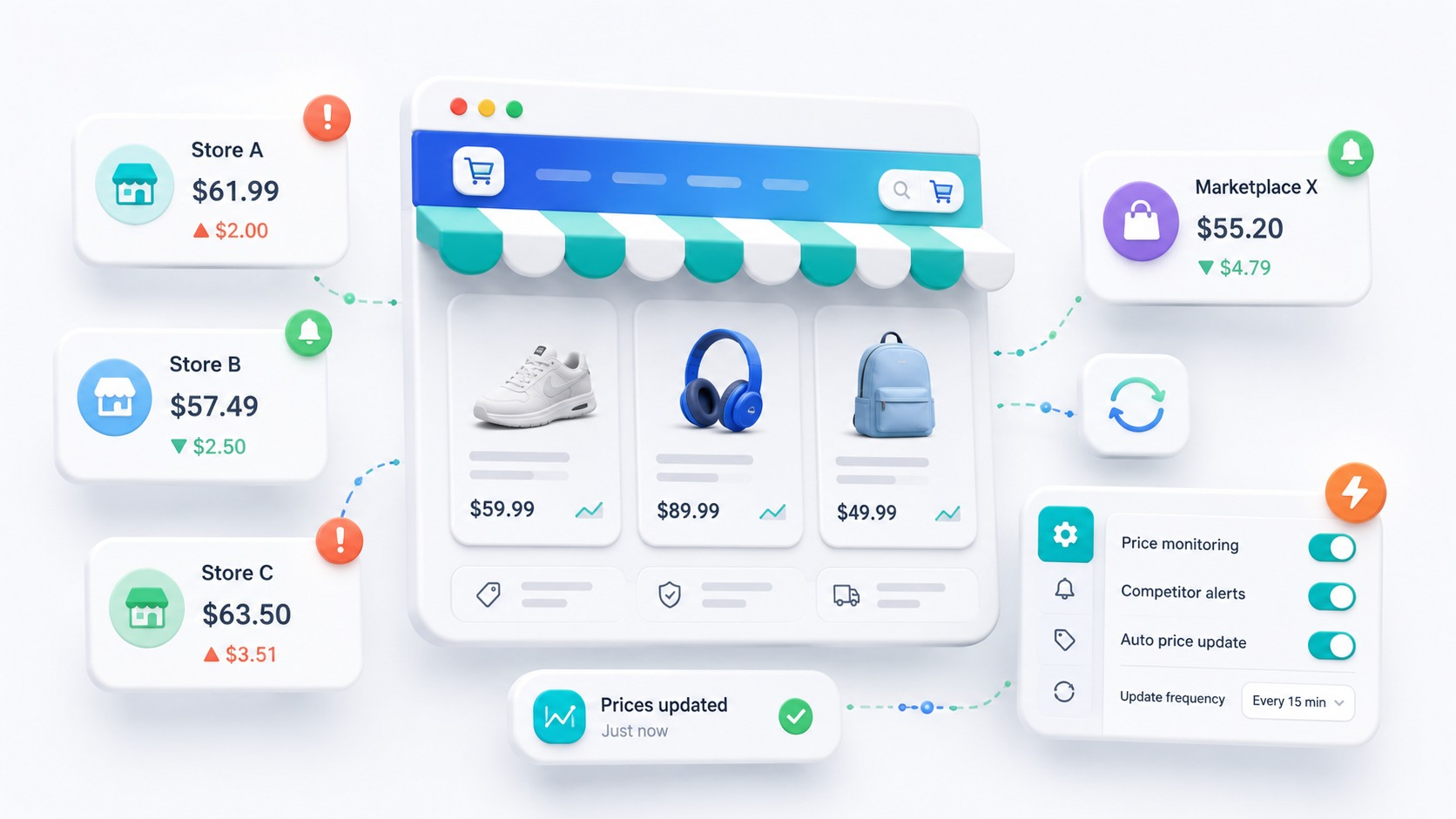
WooCommerce Price Monitoring: A Practical Guide
WooCommerce price monitoring should do more than collect competitor prices. Learn how to sync your catalog, match variations, prioritize meaningful changes, protect margin, and connect monitoring to controlled repricing.
Read article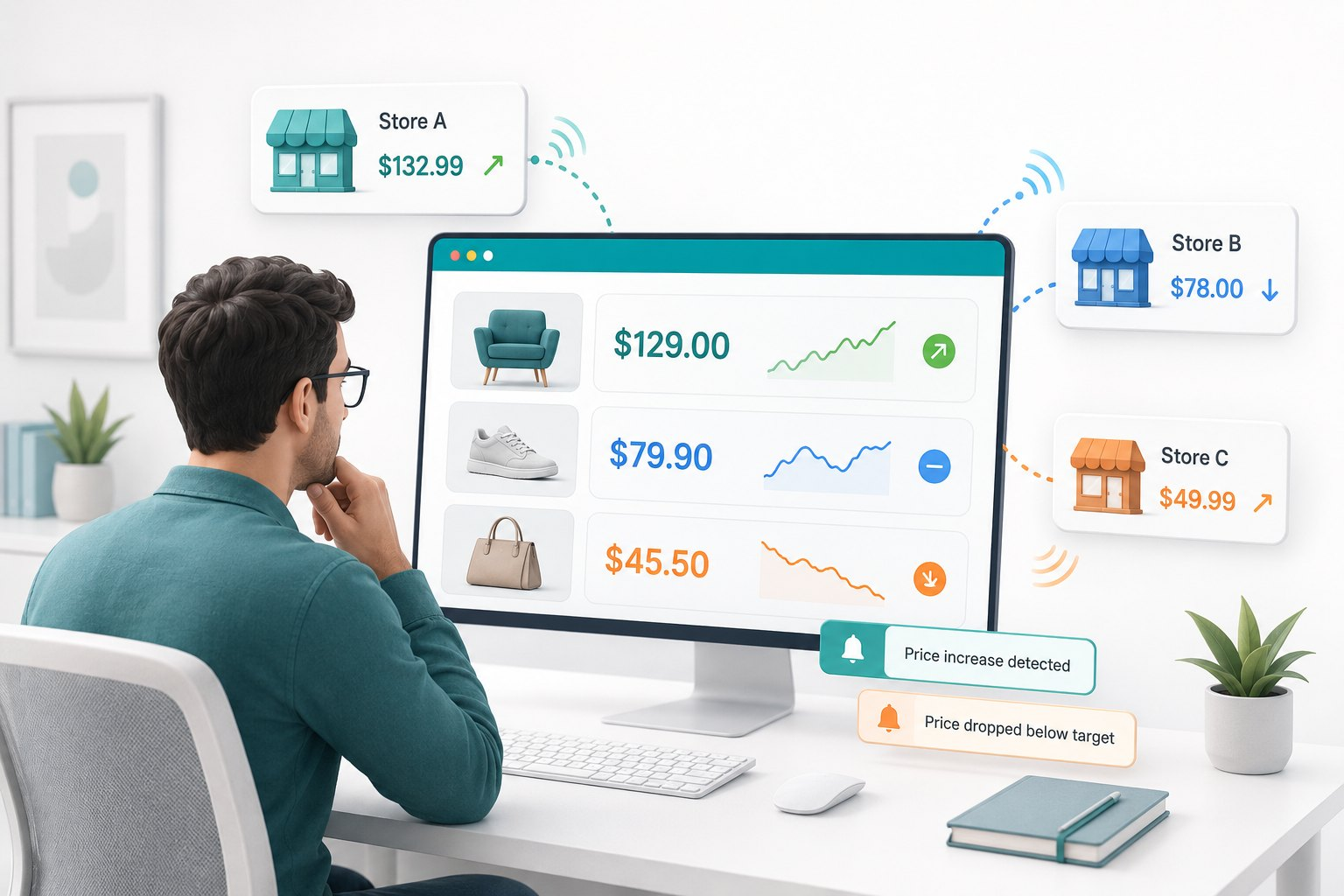
Shopify Price Monitoring: A Practical Guide for Ecommerce Teams
Most Shopify stores can already see that a competitor changed a price. The harder question is what to do next. Learn the eight-stage Shopify pricing control loop: sync, discover, match, normalize, evaluate, decide, route, and audit.
Read article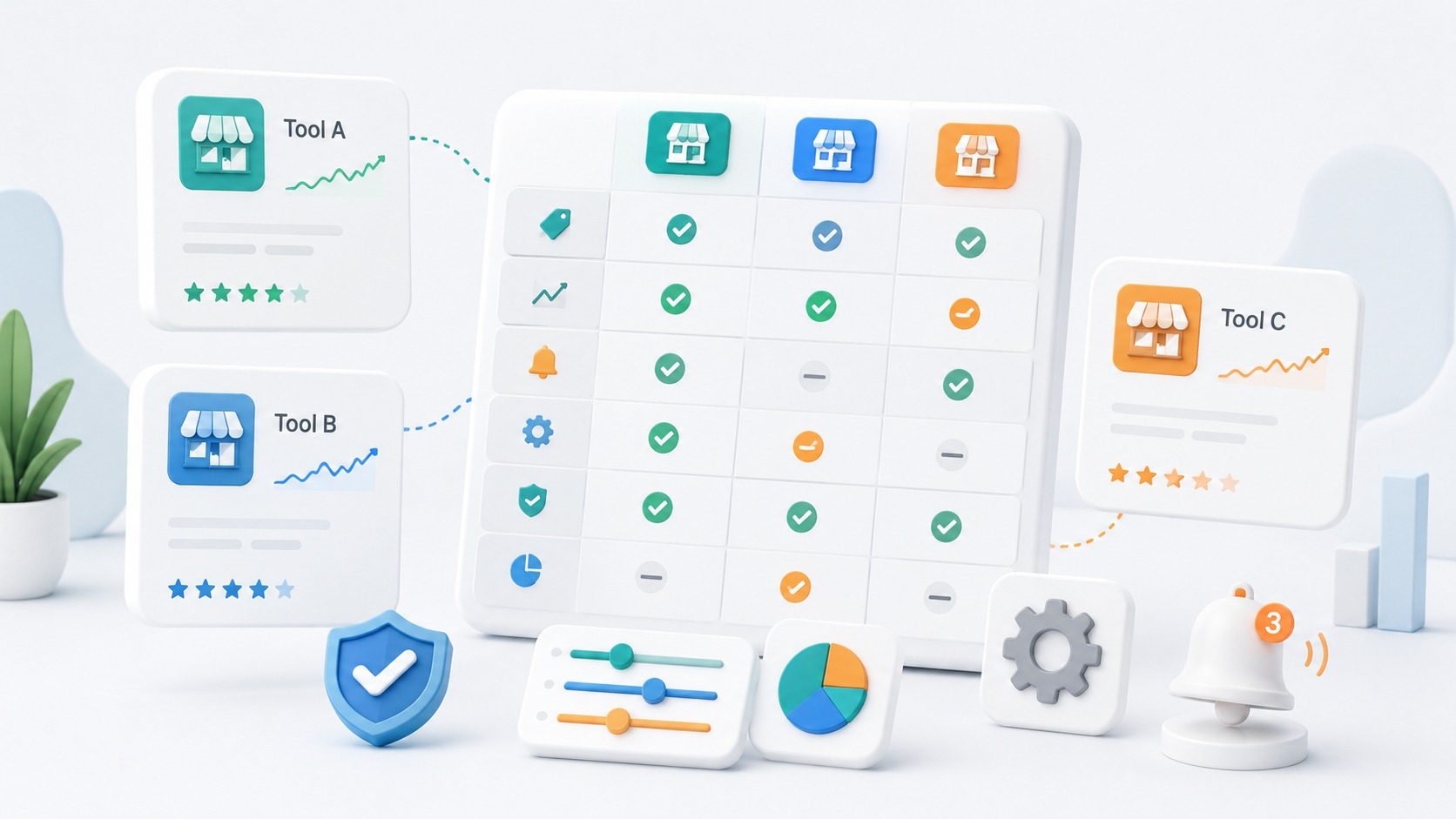
Price Monitoring Software Comparison: What Actually Matters
Most price monitoring comparisons begin with a feature table. That is where the evaluation goes wrong. Compare software across data quality, decision support, governance, and execution — and ask the 12 criteria that determine whether a platform improves pricing decisions.
Read article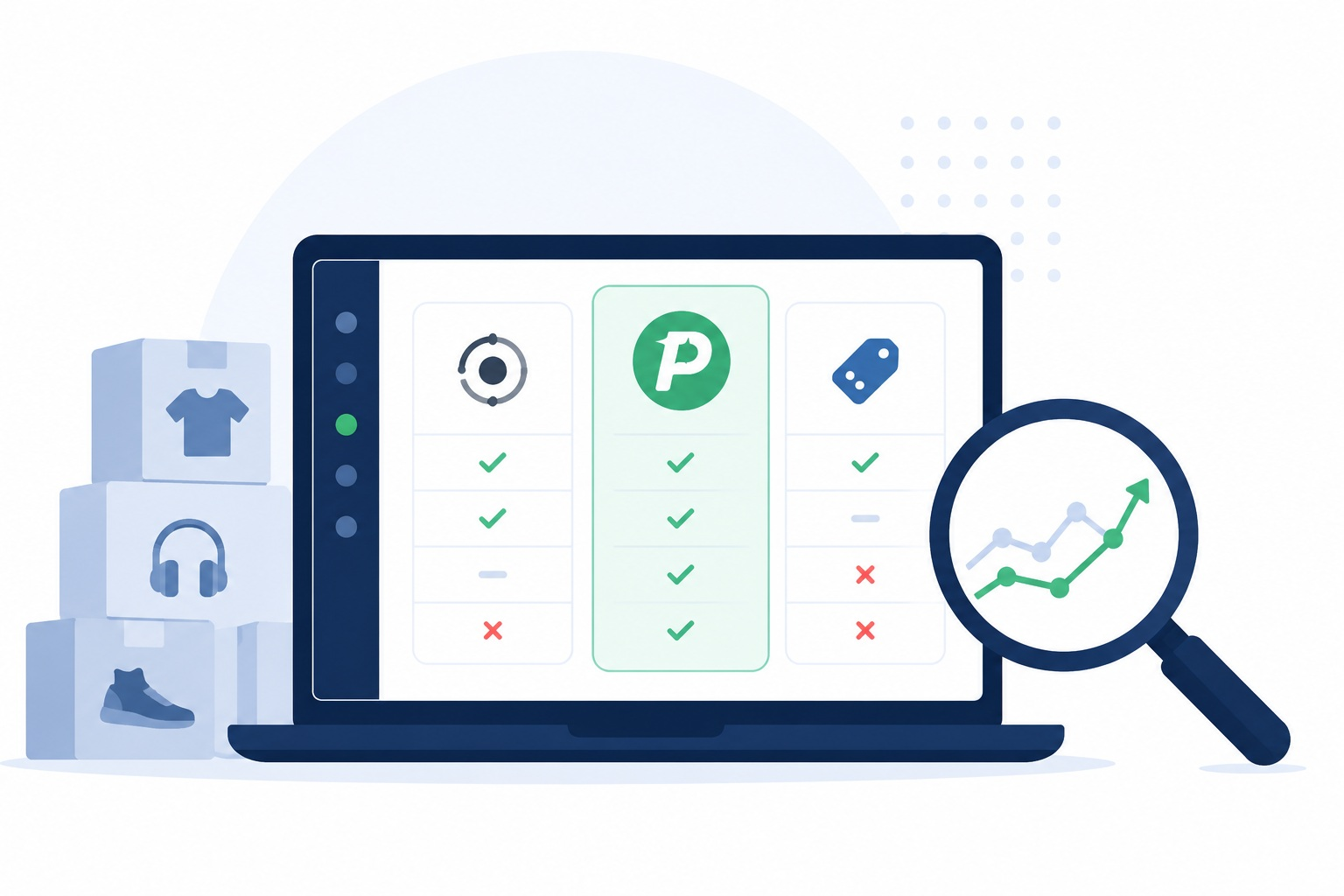
11 Best Price2Spy Alternatives for Large Ecommerce Catalogs
Large ecommerce teams rarely look for a Price2Spy alternative because they need one more price chart. They look when monitoring thousands of products creates more decisions than the team can process. Compare alternatives by matching quality, guardrails, prioritization, and AI decision support.
Read article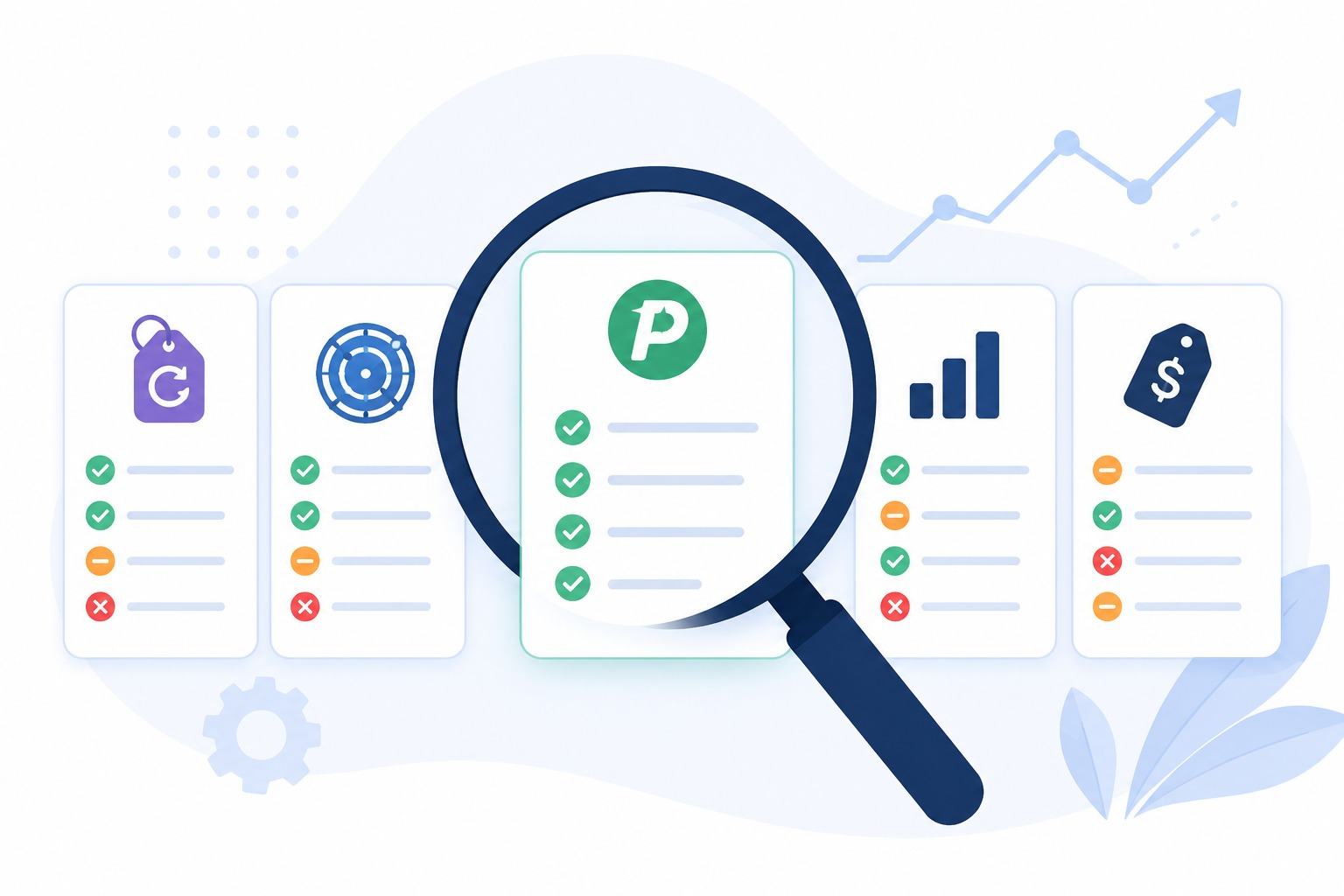
Prisync Alternatives: How to Choose the Right Pricing Tool
Most ecommerce teams search for Prisync alternatives not because the tool failed, but because the pricing operation matured. Compare alternatives by monitoring depth, product matching, repricing guardrails, AI decisions, and explainability.
Read article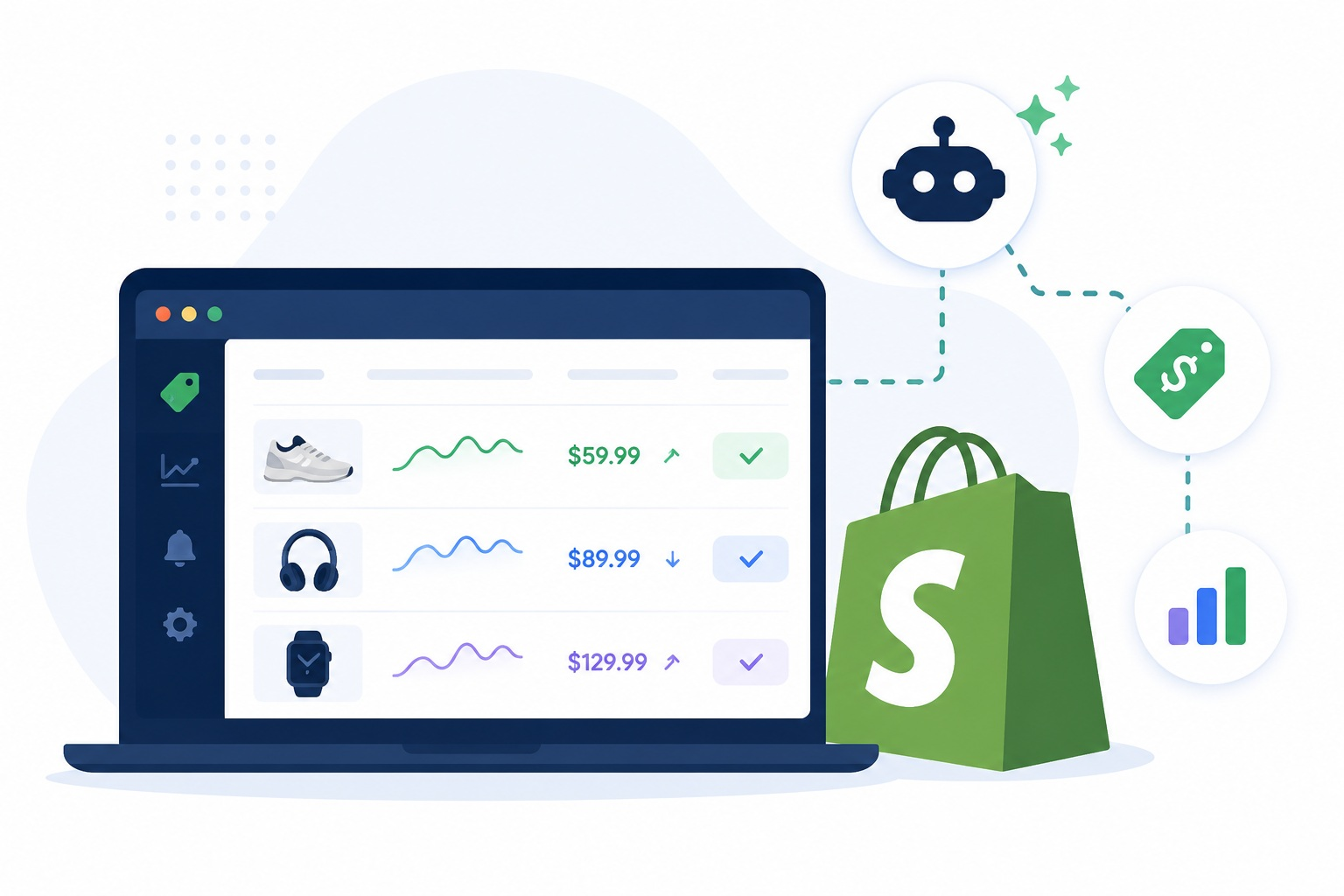
Best Repricing Software for Shopify Stores: How to Automate Prices Without Losing Control
Shopify makes it easy to change prices. The hard part is knowing which prices should change and how far you can move before a competitive response becomes margin leakage. Compare the best Shopify repricing tools by guardrails, workflow fit, and decision quality.
Read article
Best AI Pricing Software for Ecommerce: How to Choose the Right Tool
Most ecommerce teams have enough pricing data. The challenge is deciding what to do with it. Compare the main categories of AI pricing software and learn how to choose based on decision quality, guardrails, and explainability.
Read article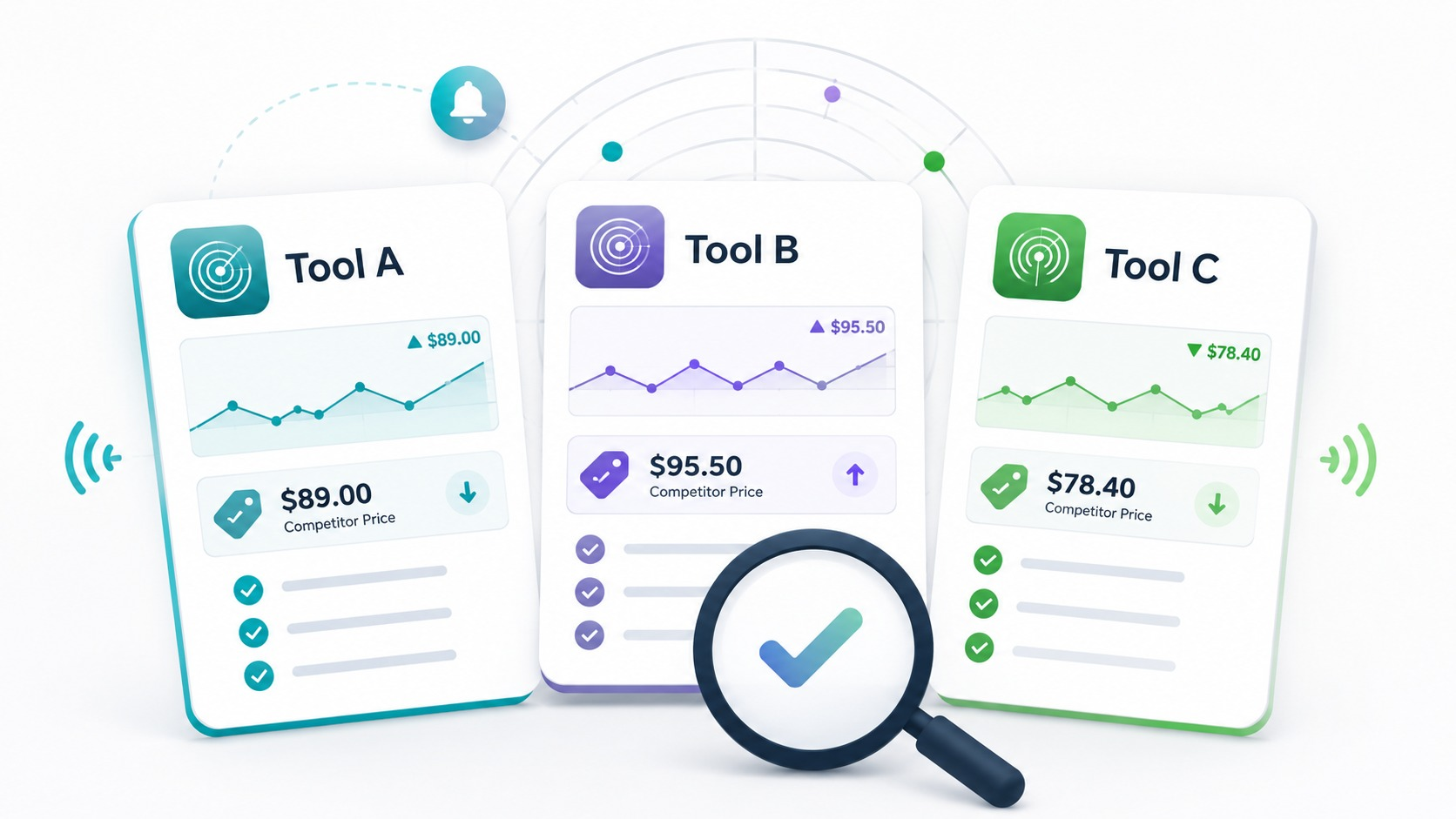
Best Competitor Price Monitoring Tools for Ecommerce Teams
Compare the best competitor price monitoring tools for ecommerce teams. Covers product matching, alert quality, repricing guardrails, and how to choose by catalog size and pricing maturity.
Read article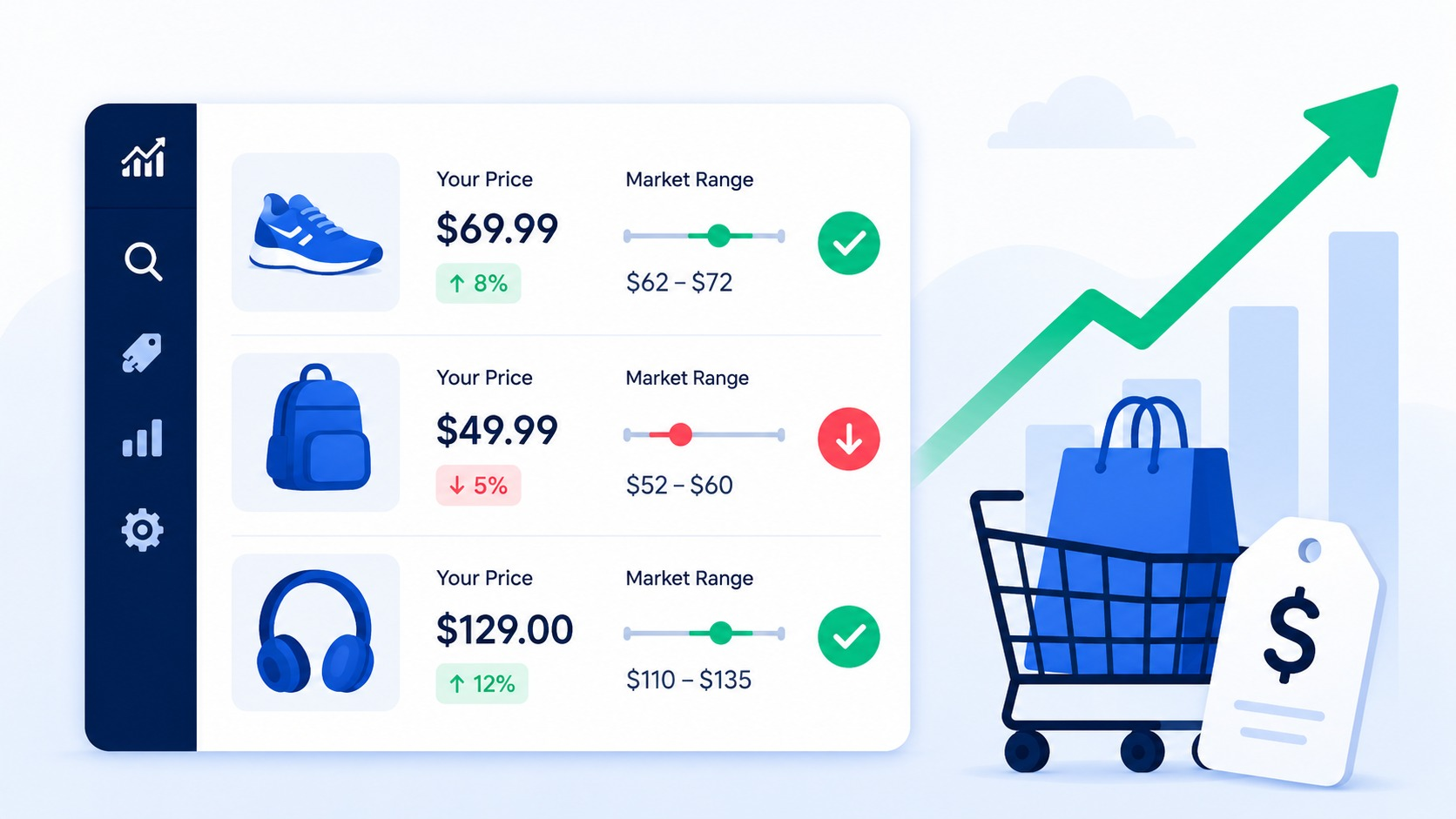
How to Prioritize Pricing Decisions Across Thousands of SKUs
Most ecommerce teams do not lack pricing data — they lack a system for deciding which signals matter. Learn how to rank SKUs by business impact, match confidence, margin risk, and actionability so every pricing decision counts.
Read article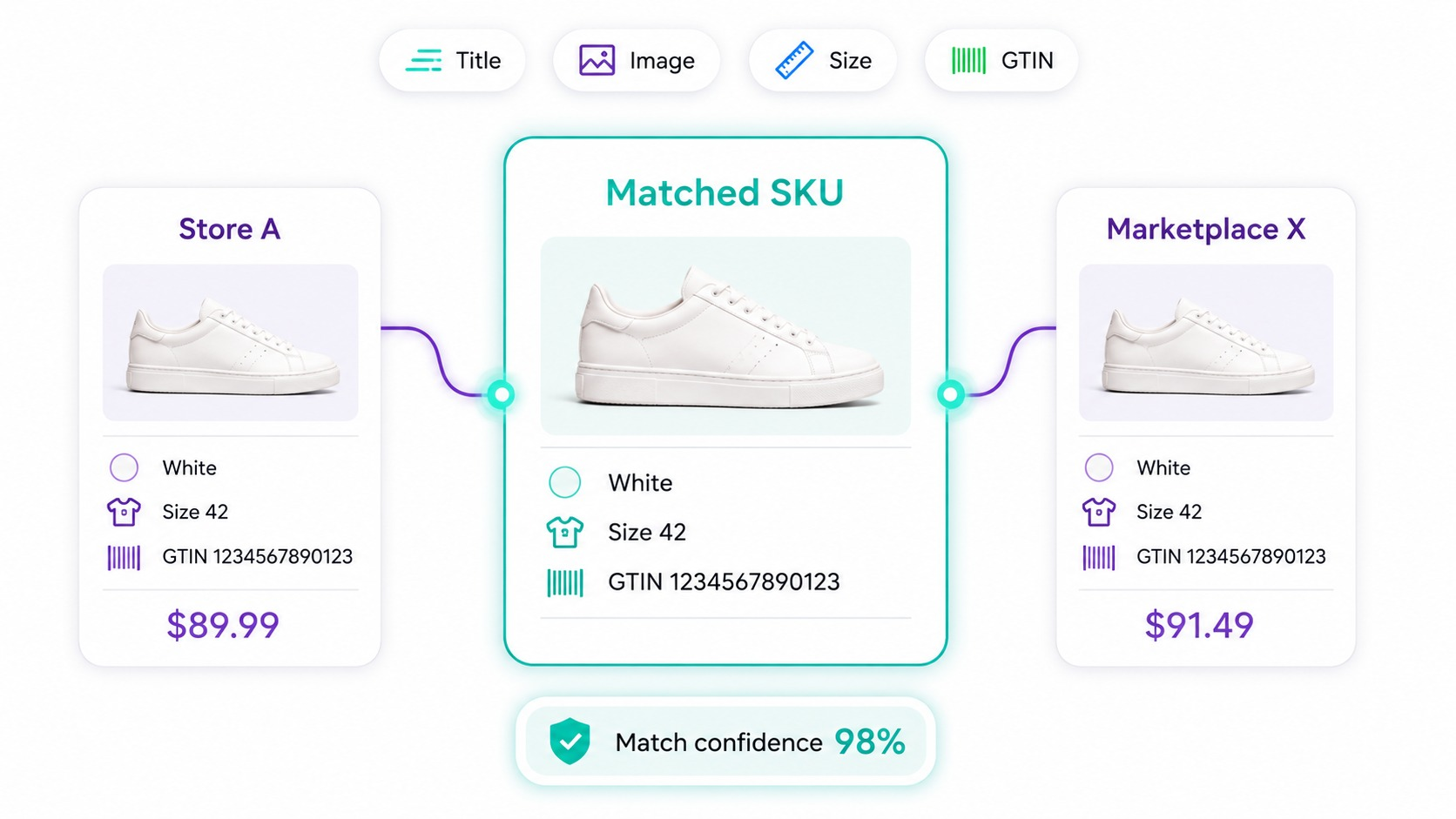
How Product Matching Works in Competitor Price Monitoring
Most competitor price monitoring problems do not start with the price — they start with the match. Learn how ecommerce teams validate SKUs, variants, bundles, and marketplace listings before making pricing decisions.
Read article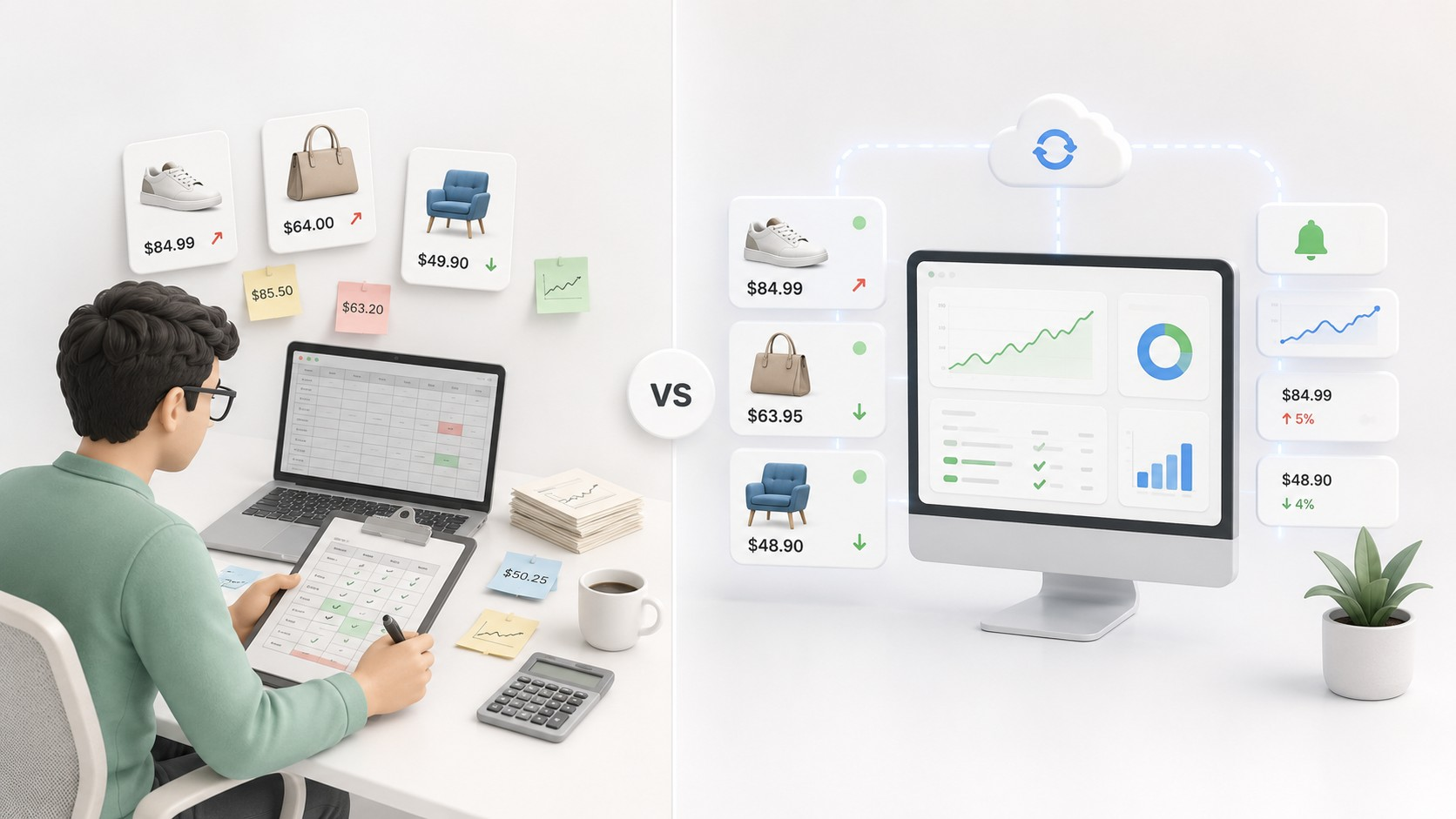
Manual Price Monitoring vs Automated Price Monitoring: When Ecommerce Teams Should Upgrade
Manual price monitoring can work for small catalogs. But once pricing becomes a daily operating workflow, ecommerce teams need automated monitoring, guardrails, prioritization, and explainable decisions.
Read article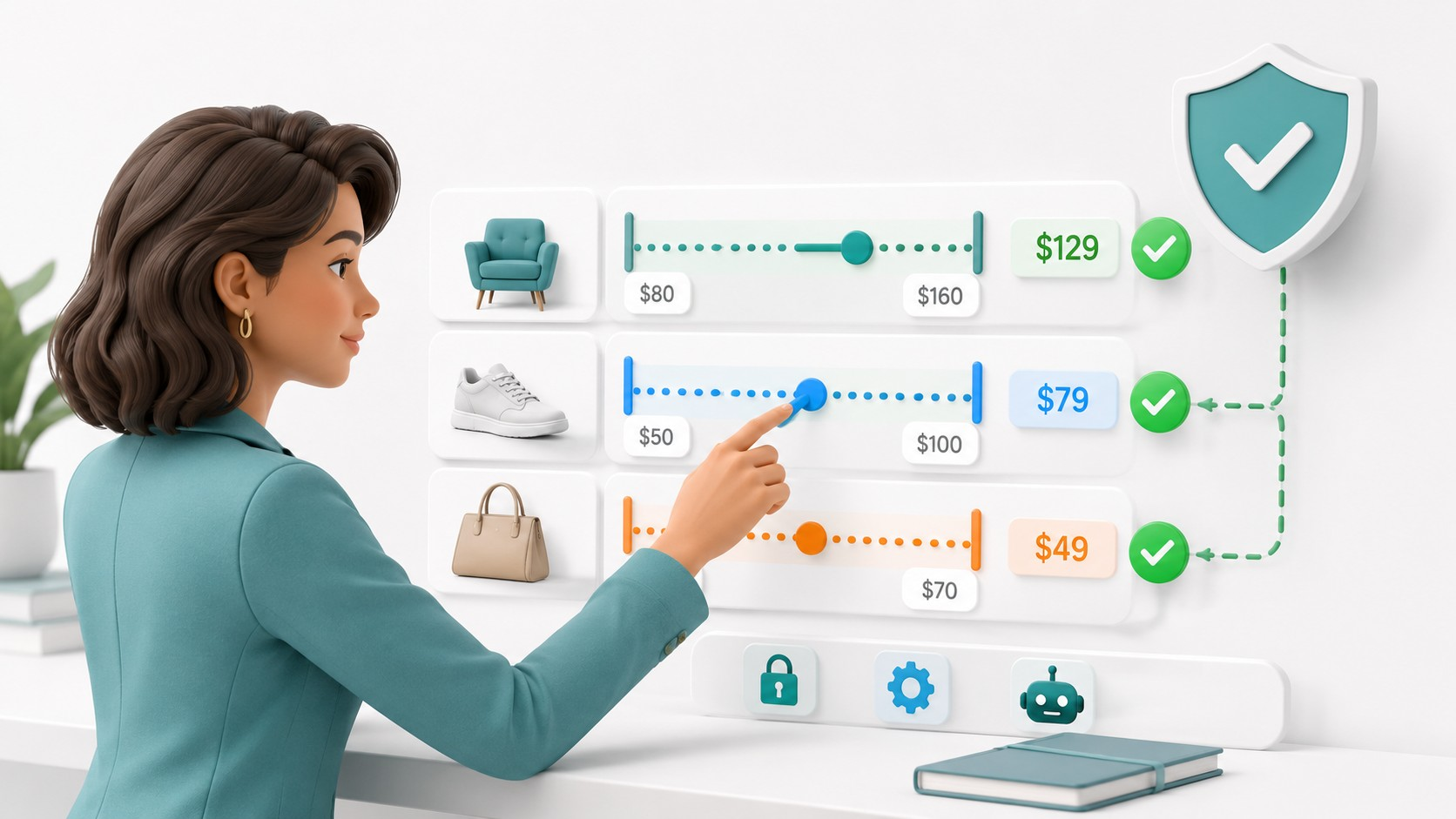
How to Set Pricing Guardrails for Ecommerce Repricing
Automated repricing fails not because the software moves too fast, but because the boundaries are too vague. Learn the seven guardrails every ecommerce repricing workflow needs to protect margin and earn automation.
Read article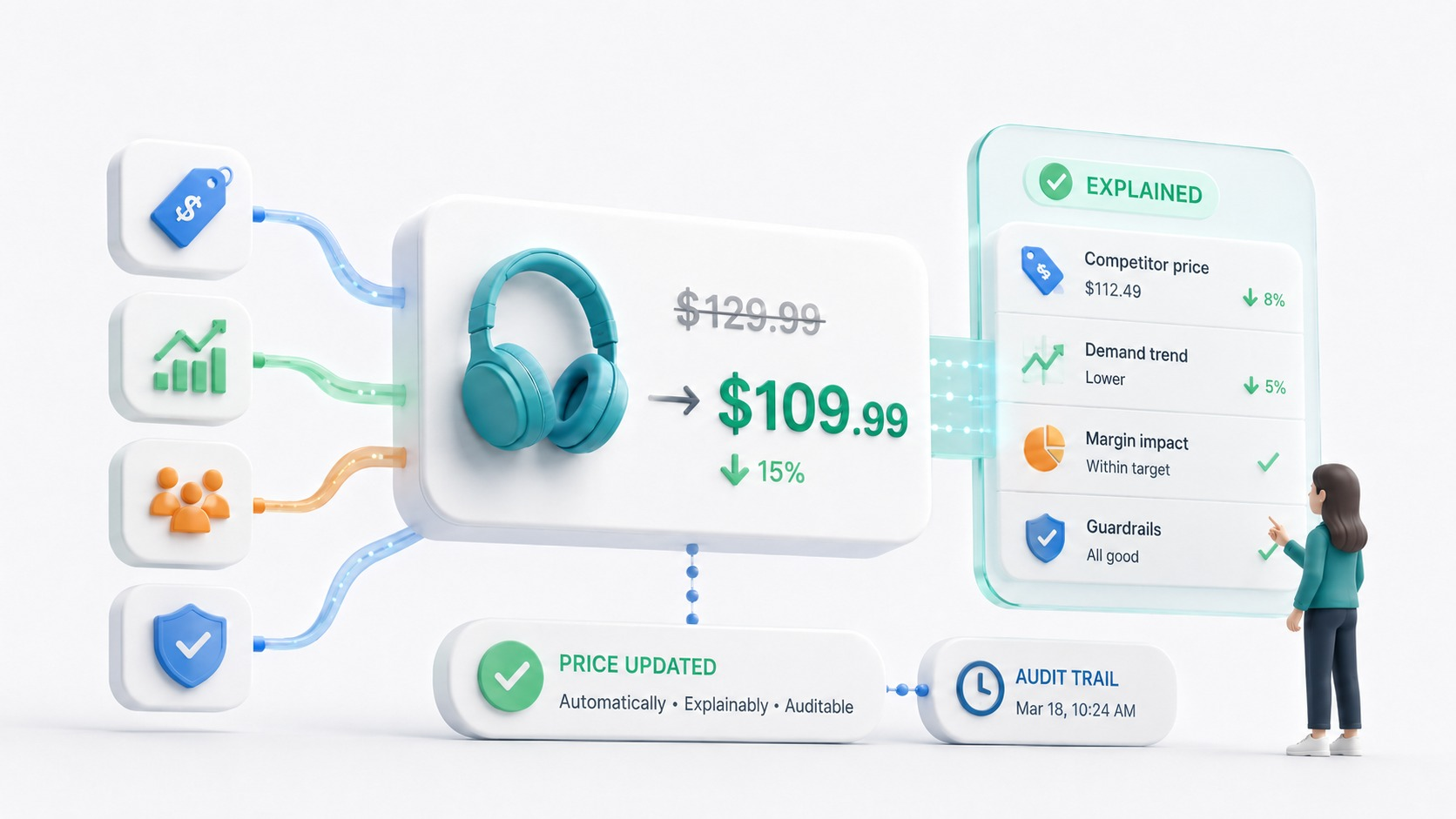
Explainable Repricing: Why Every Price Change Needs a Reason
Most ecommerce teams fear repricing not because it changes prices, but because it changes prices without context. Learn why every price change needs a signal, validation, rule, recommendation, and audit trail.
Read article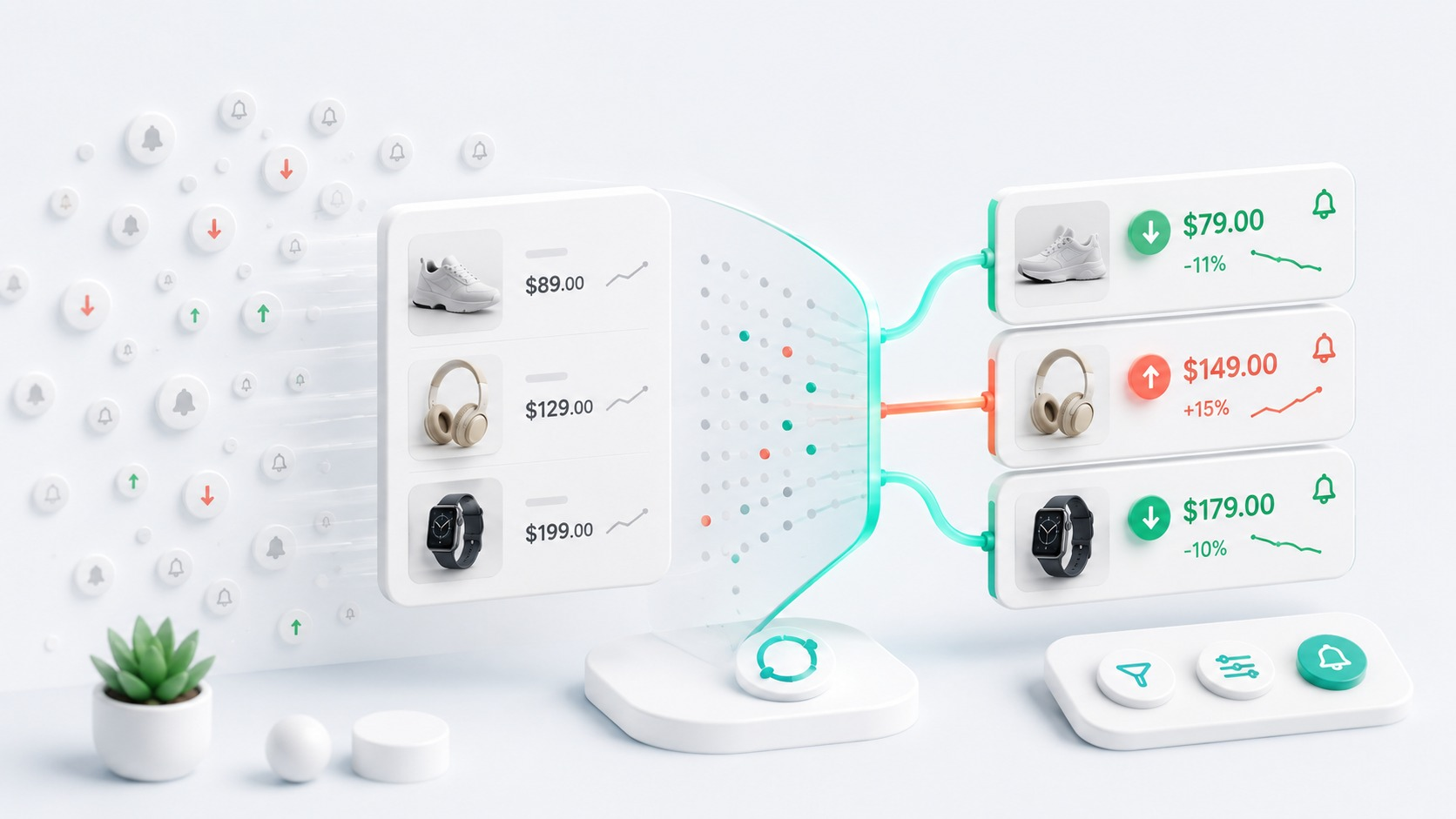
How to Use Competitor Price Alerts Without Creating Noise
Most competitor price alerts create more work than clarity. Learn how to filter alerts by relevance, match confidence, stock status, and margin impact so every notification becomes a pricing decision.
Read article
Why Pricing Teams Need Daily Briefs, Not More Dashboards
Pricing dashboards show what changed. Daily pricing briefs tell ecommerce teams what to do next. Learn how to prioritize SKU decisions, protect margin, and turn pricing data into action.
Read article
What Is an AI Pricing Analyst? A Practical Guide for Ecommerce Teams
Most ecommerce teams do not need another pricing dashboard. An AI pricing analyst is a decision layer that prioritizes SKUs, explains recommendations, and keeps every action inside the rules that protect margin.
Read article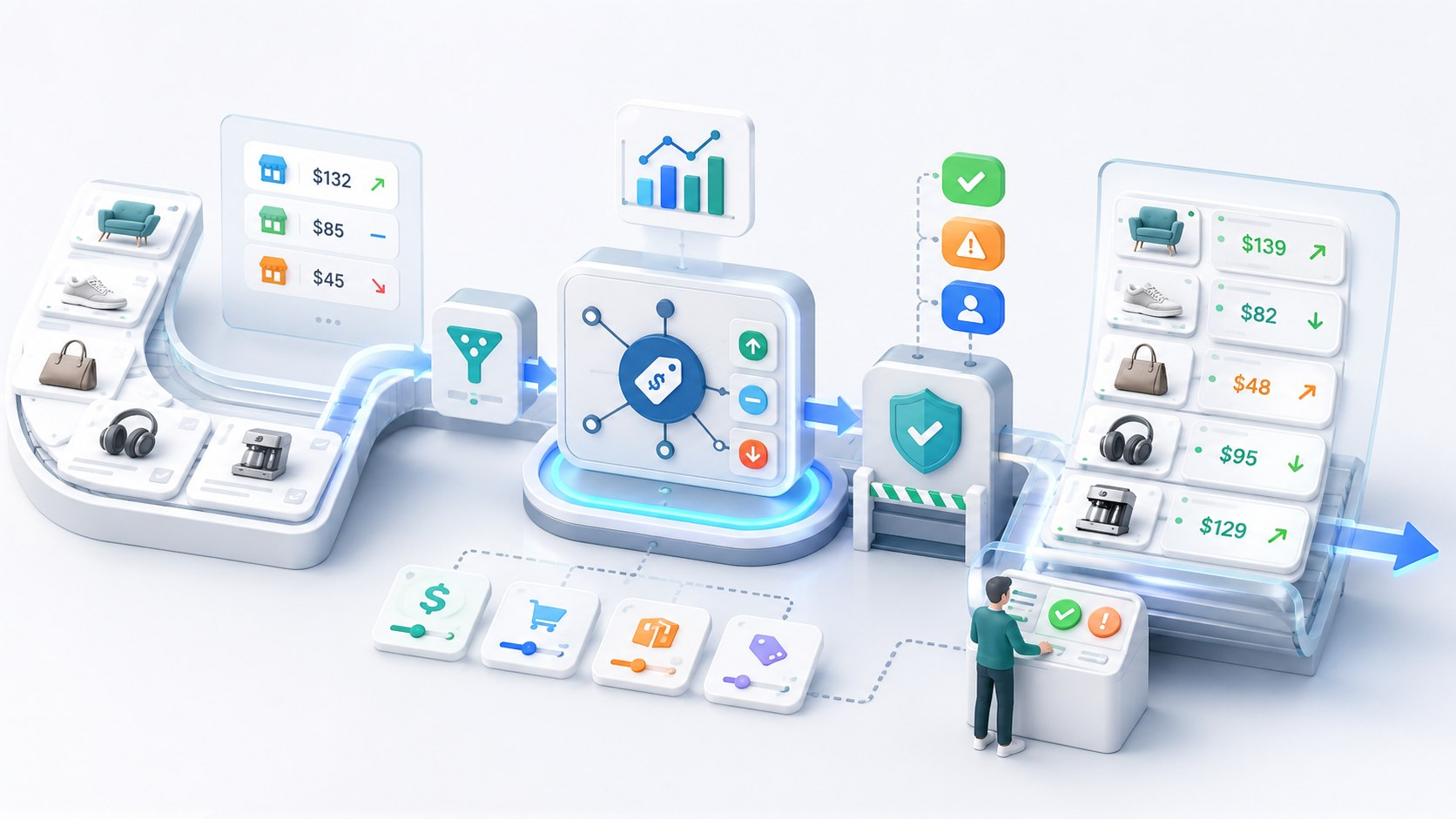
How to Build an Ecommerce Pricing Workflow for 1,000+ SKUs
Managing 1,000+ SKUs requires more than price alerts. Learn how to build a pricing workflow that prioritizes decisions, applies guardrails, routes approvals, and keeps every price change explainable.
Read article
How to Protect Margin When Competitors Keep Discounting
Most ecommerce teams lose margin one small price match at a time. Learn how to validate competitor signals, apply margin floors, and choose the right action: match, hold, raise, watch, or escalate.
Read article
Repricing Rules for Ecommerce: How to Automate Without Losing Control
Most ecommerce teams lose control of pricing not because they automate — but because they automate the wrong decisions. Learn how to set repricing rules that protect margin and scale safely.
Read article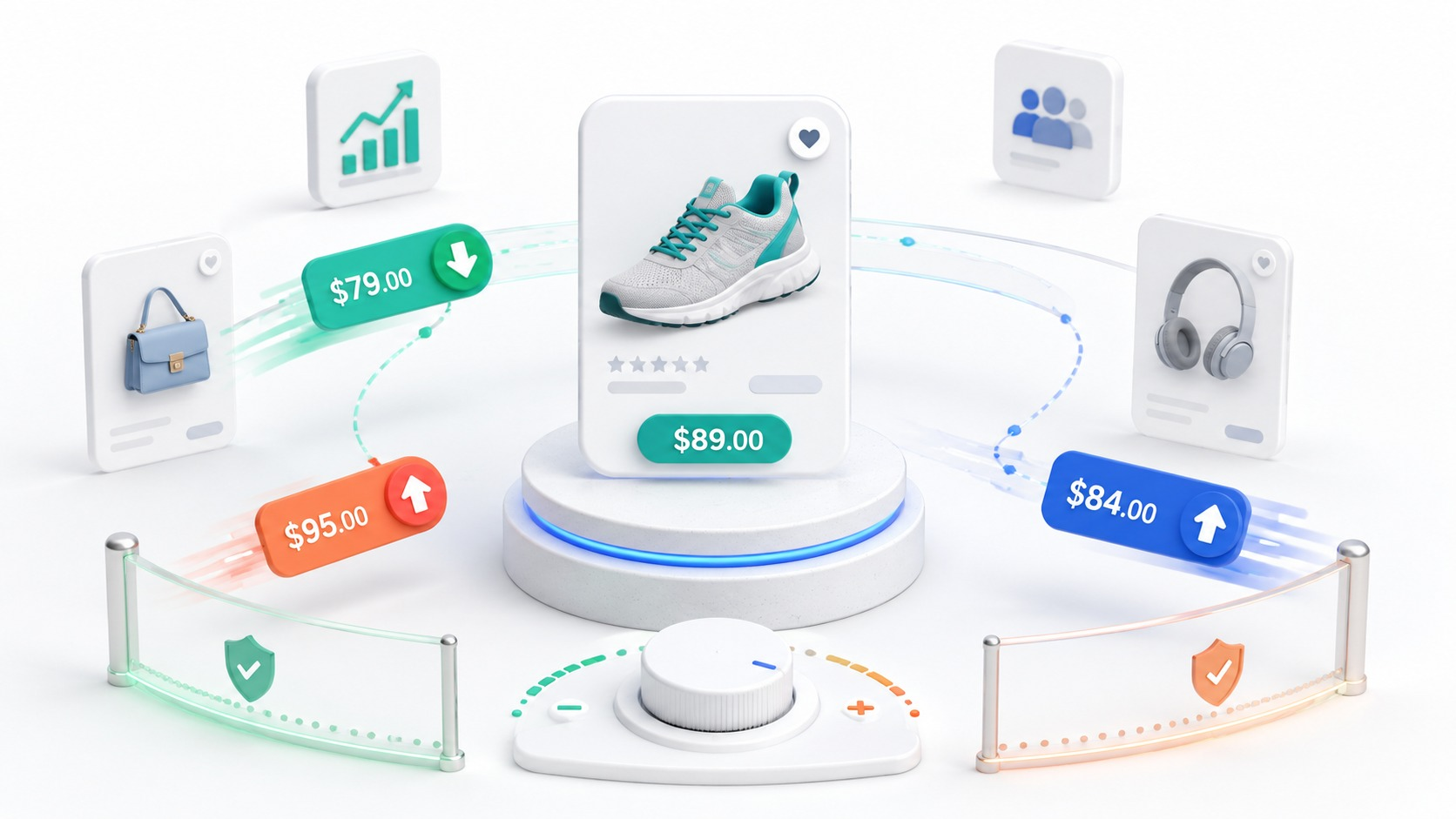
Dynamic Pricing for Ecommerce: Benefits, Risks, and Guardrails
Dynamic pricing can help ecommerce teams react faster, protect margin, and manage large catalogs. But without guardrails, it can also create price wars, margin leakage, and black-box decisions.
Read article
AI Pricing Intelligence: From Dashboards to Decisions
Most ecommerce teams have dashboards. The hard part is deciding what to do next. AI pricing intelligence is the decision layer between seeing price changes and acting on them.
Read article
Price Monitoring vs Pricing Intelligence: What's the Difference?
Price monitoring tells you what changed. Pricing intelligence helps you decide what to change, what to ignore, and why — at any catalog scale.
Read article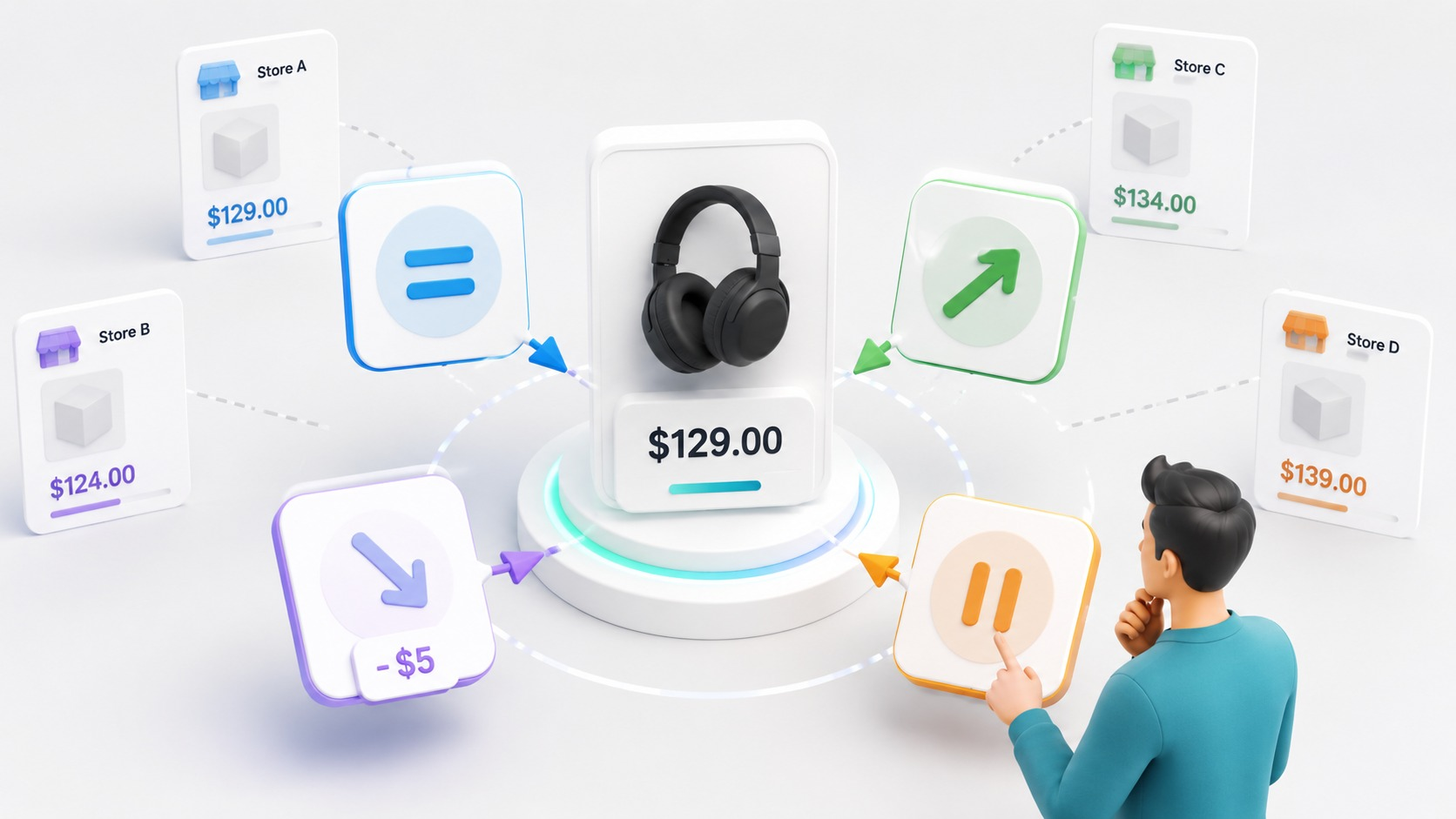
When to Match, Beat, Hold, or Raise Prices: A Practical Guide
Most ecommerce teams react to competitor prices. The best teams decide when to match, beat, hold, or raise — based on context, not instinct. Here's the decision framework.
Read article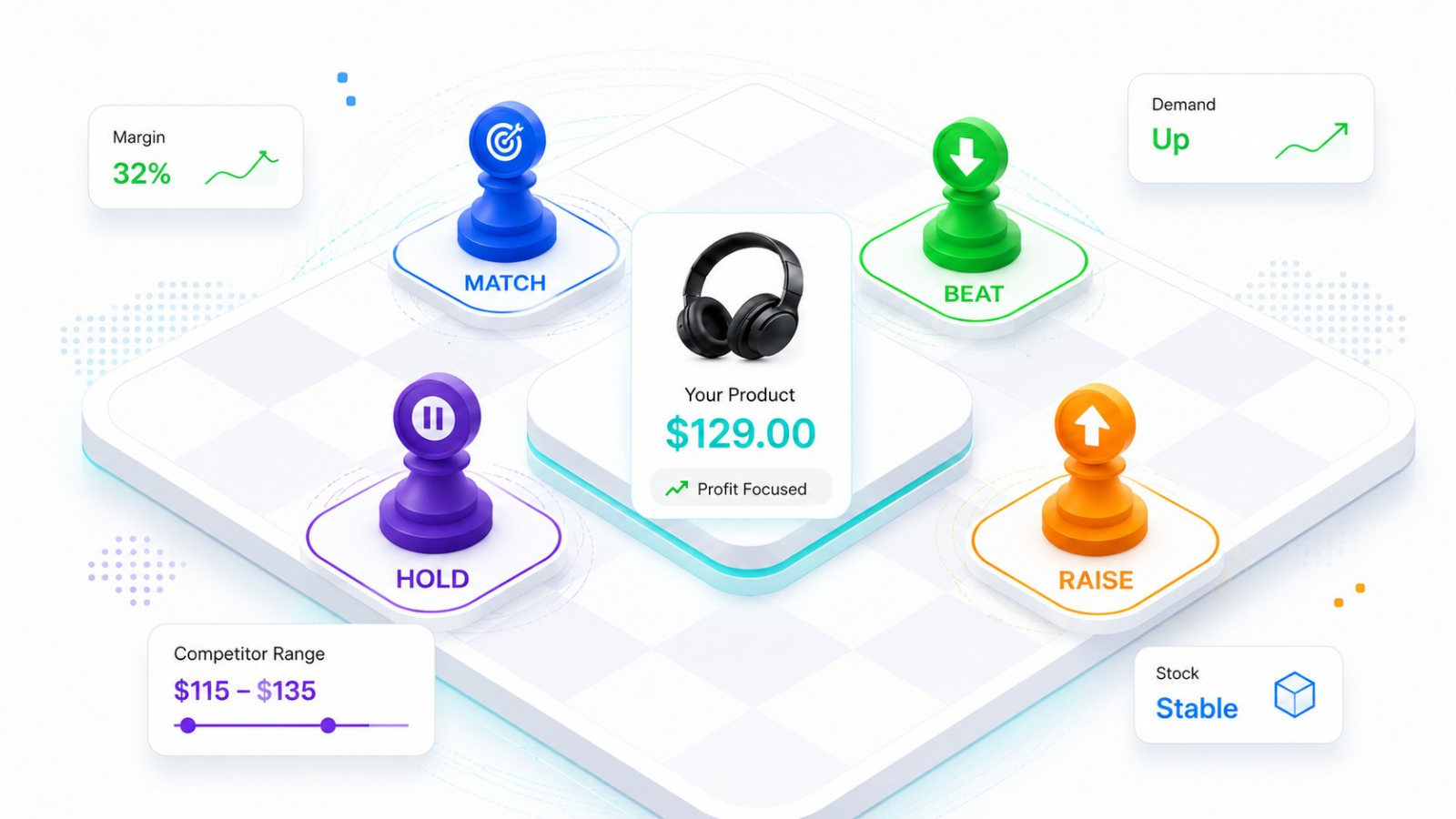
Ecommerce Pricing Strategy: The Complete Guide for Profitable Growth
Most ecommerce teams don't have a pricing problem — they have a prioritization problem. Learn how to build a system that protects margin and scales decisions across your entire catalog.
Read article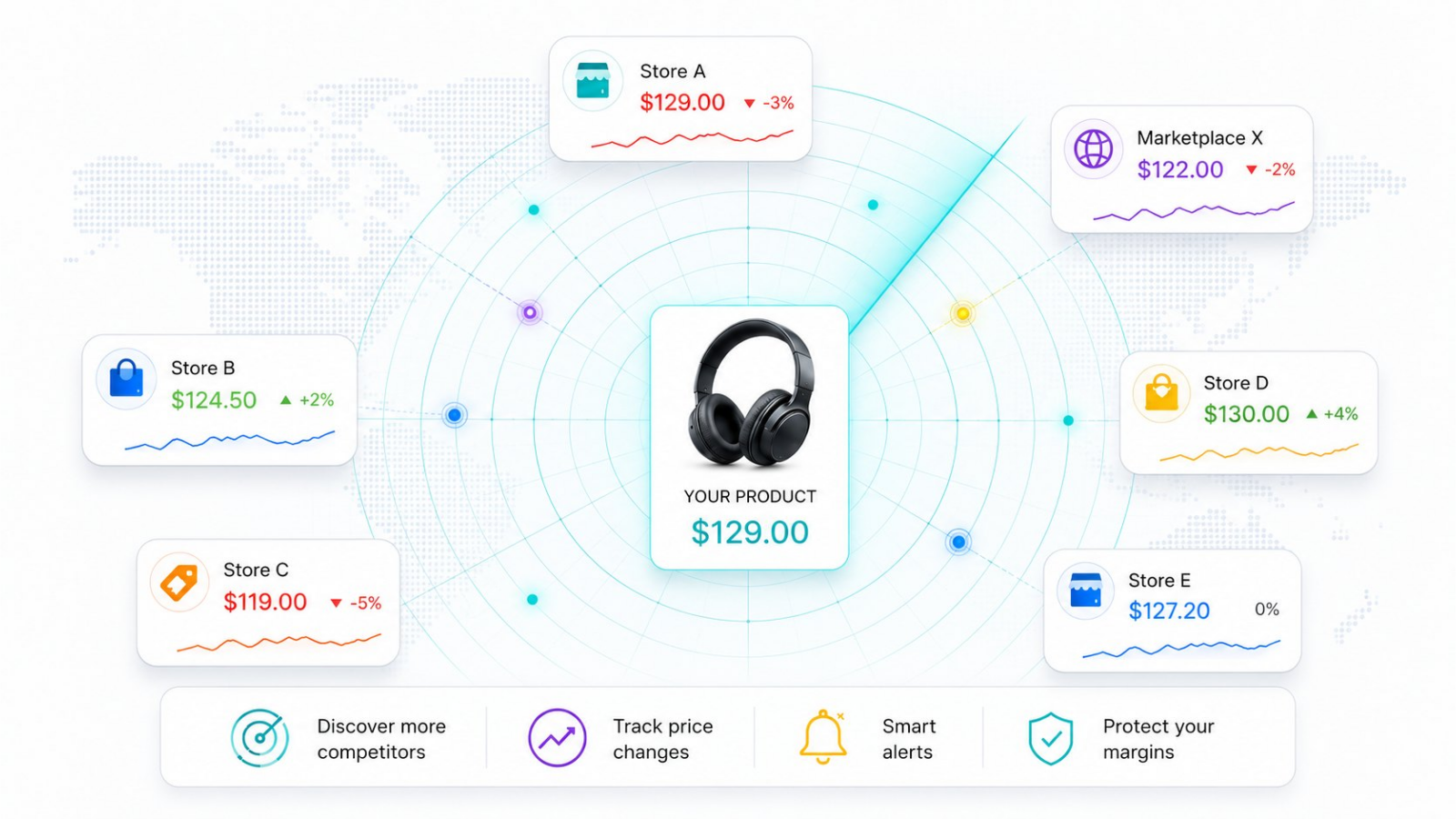
Competitor Price Monitoring: The Complete Guide for Ecommerce Teams
Competitor price monitoring is not about watching every price change. It is about building a pricing decision system that helps ecommerce teams know what to change, what to ignore, and why.
Read article